


What Is Your Poodle’s Coat Color?
Please select the coat color to view the right products.





Poodle Food
Choosing the right food for Poodles and Toy Poodles requires consideration of their age, body weight, activity level, digestive sensitivities, and coat structure. Since Poodles have dense, curly coats, it is especially important that their daily diet supports healthy skin and coat.
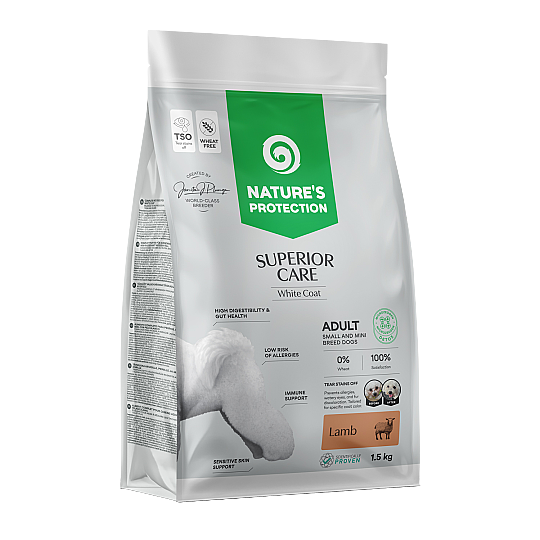
At Onzipet, you can easily explore Nature’s Protection food options suited to your Poodle’s age and coat colour. You can choose the product that best meets your dog’s needs from special formulas developed for white, red, and black Poodles.
Choose Your Poodle’s Coat Colour
A Poodle’s coat colour may affect not only its appearance but also its grooming needs. Staining around the eyes may be more noticeable in white Poodles, while maintaining a vibrant, glossy coat becomes a priority for red and black Poodles.
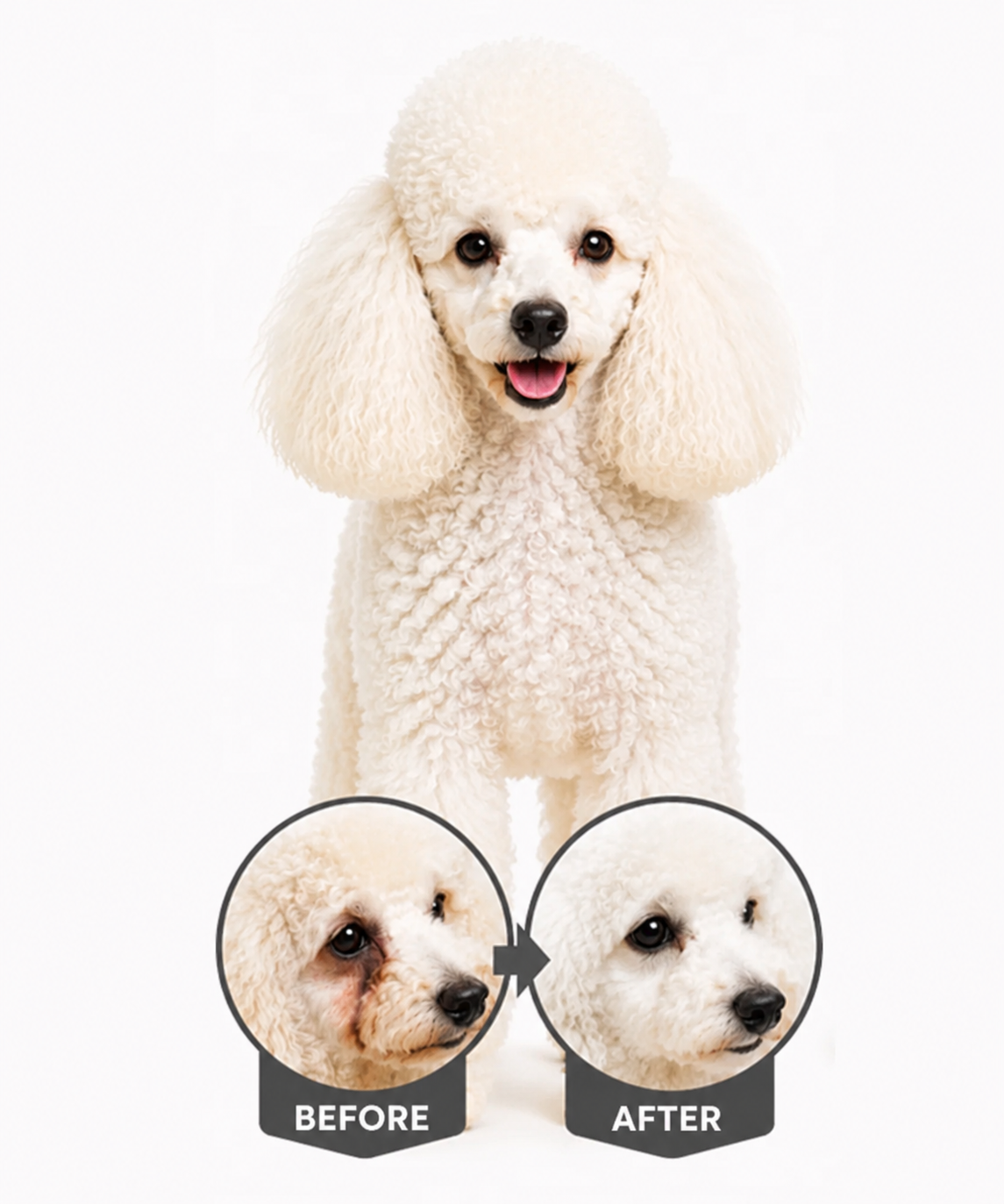
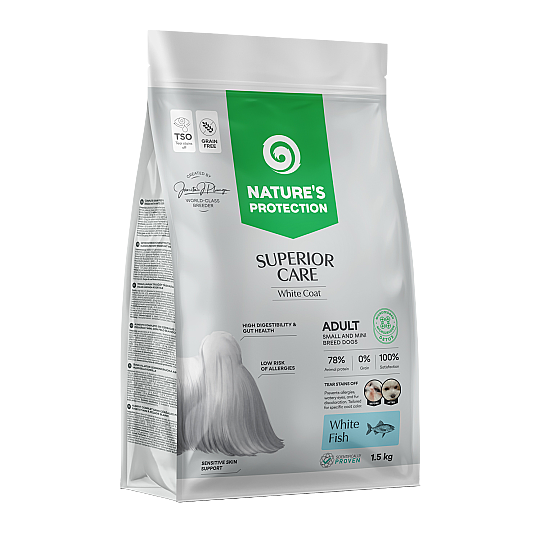
White Poodle Food
Tear stains around the eyes and coat discolouration are more easily noticed in white Poodles. Food options specially formulated for white coats help support a clean-looking eye area and the coat’s natural whiteness. Explore White Poodle Food
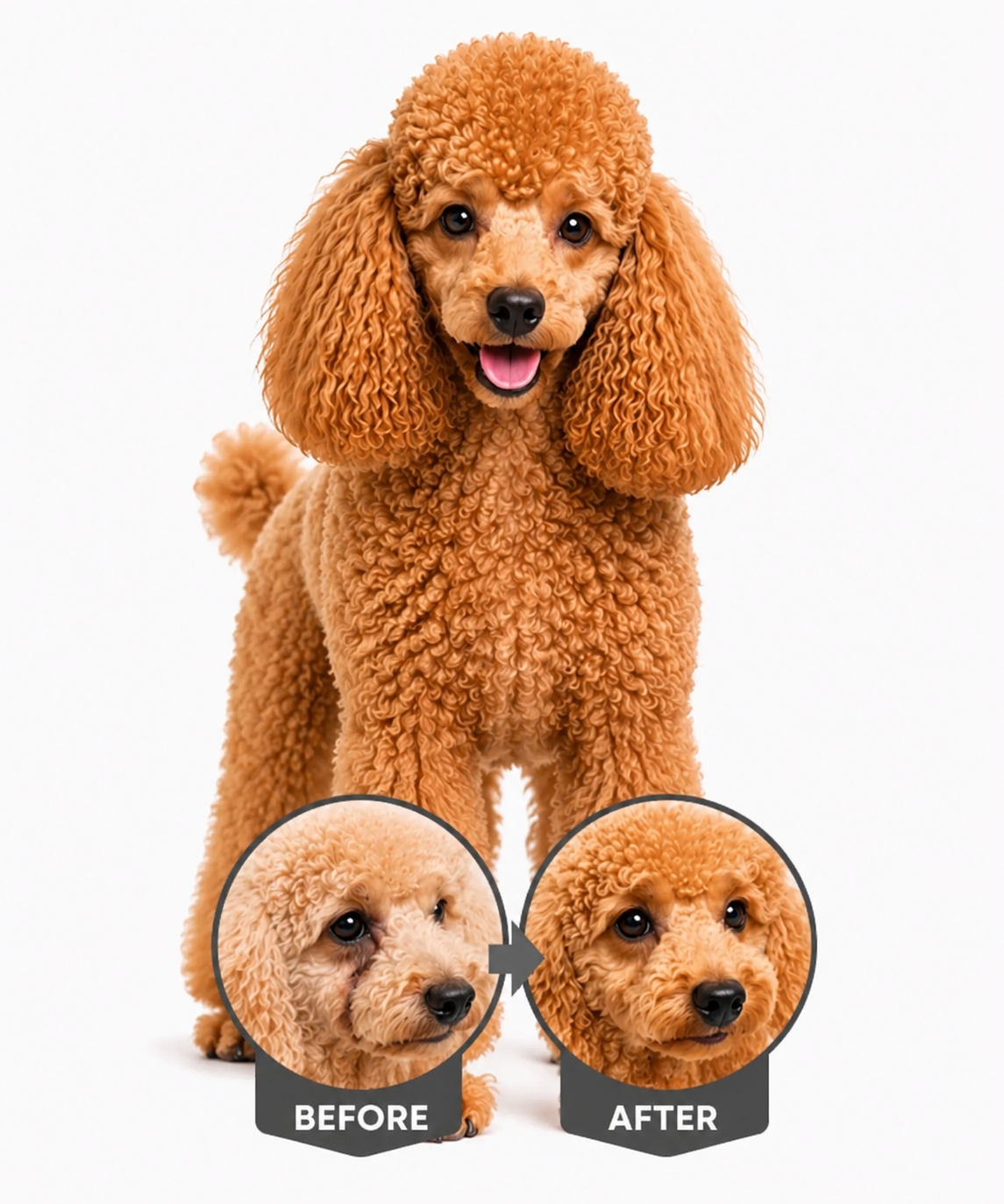
Red Poodle Food
Maintaining a vibrant coat appearance is important for red, apricot, and light brown Poodles. Nutrition options specially developed for red coats help support the coat’s natural colour intensity and shine. Explore Red Poodle Food
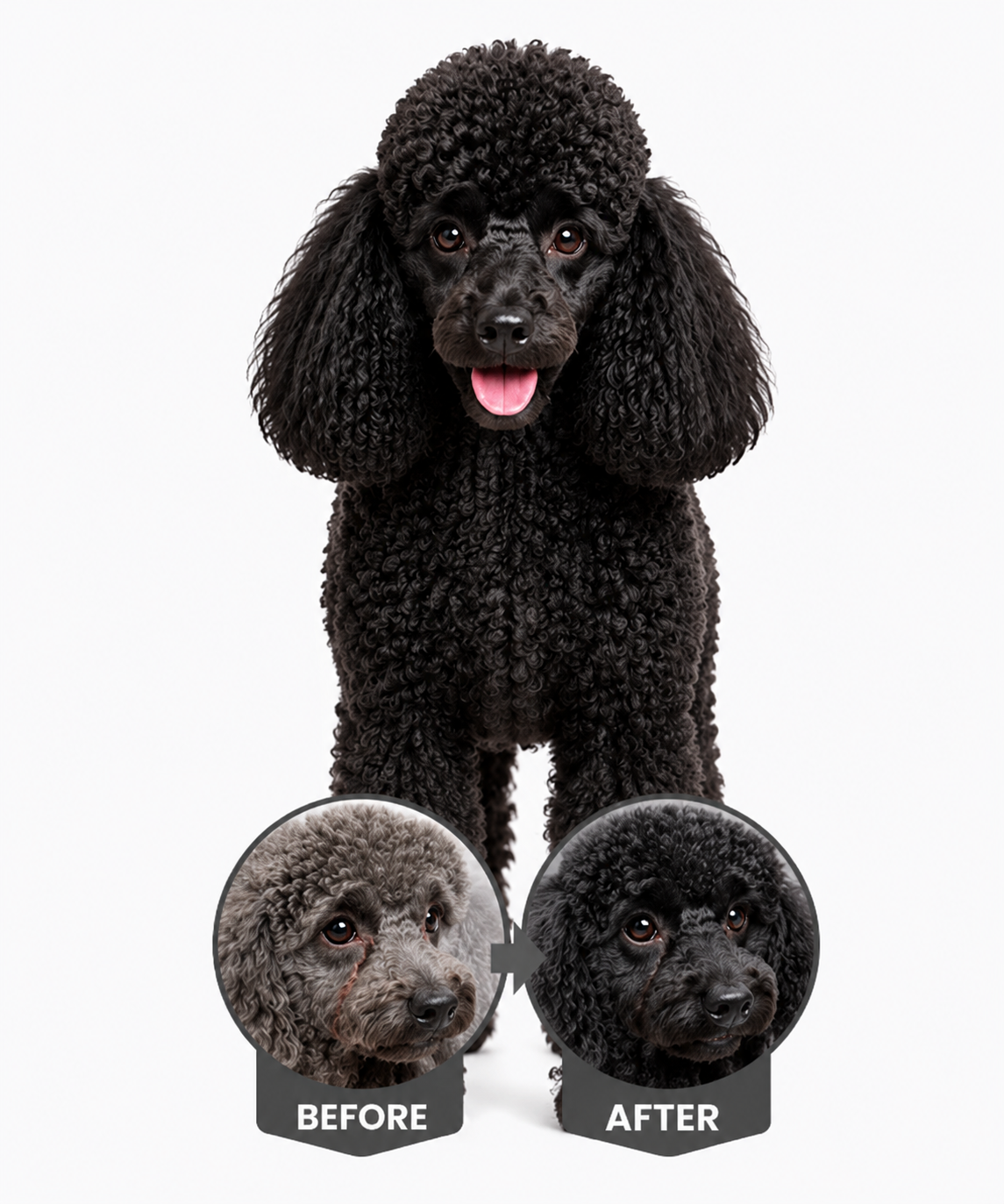
Black Poodle Food
Black and dark-coated Poodles may develop a duller or faded-looking coat over time. Food options specially formulated for dark coats contain ingredients that support a glossy and richly coloured appearance. Explore Black Poodle Food
How to Choose Poodle Food
When choosing food for a Poodle, you should consider not only the dog’s breed but also its life stage and individual needs. Puppies, adult Poodles, and senior Poodles have different energy, protein, and mineral requirements.
The following points should be considered when choosing food:
* The dog’s age
* Current body weight
* Daily activity level
* Coat colour and structure
* Digestive sensitivities
* Skin and coat concerns
* Kibble size
* Protein sources used in the formula
The kibble size of foods formulated for small-breed dogs may be better suited to the jaw structure of Poodles and Toy Poodles. Foods containing high-quality proteins and balanced fatty acids also support muscle development and a healthy-looking coat.
Nutritional Needs of Poodles
Poodles are active, intelligent, and energetic dogs. Toy Poodles in particular may have high daily energy needs despite their small size. It is therefore important that their food is nutritious, easy to digest, and suitable for portion control.
Key nutritional needs of Poodles include:
High-Quality Protein
Protein helps maintain muscle mass and supports healthy development. Foods with a balanced range of animal-based protein sources provide a suitable foundation for a Poodle’s daily diet.
Skin and Coat Support
The dense, curly coat of a Poodle requires regular care. Nutrients such as omega fatty acids, zinc, copper, and biotin support a glossy-looking coat and healthy skin.
Digestive Support
Poodles may have sensitive digestion. Easily digestible ingredients, appropriate fibre sources, and balanced formulas help maintain digestive regularity and stool quality.
Suitable Kibble
Kibble size is important for Toy Poodles and other small Poodles. Small, easy-to-chew kibble allows them to eat more comfortably.
Choosing Poodle Food by Coat Colour
A Poodle’s coat colour is determined by genetics. Nutrition does not change a dog’s natural coat colour, but it can support a glossy, vibrant, and healthy-looking coat.
The Nature’s Protection Superior Care range includes food options specially developed for white, red, and dark coats. These foods meet the dog’s general nutritional needs while also focusing on appearance-related needs associated with coat colour.
Nutrition for White Poodles
Tear stains, discolouration around the mouth, and staining on the paws may be more visible in white Poodles. For this reason, nutrition tailored to white coats should focus not only on coat shine but also on ingredients that support a clean-looking eye area.
When choosing food for a white Poodle, consider:
* High-quality protein sources
* Balanced mineral content
* Digestive support
* Fatty acids that support skin and coat health
* Special formulas designed to support the appearance of the eye area.
Nutrition for Red and Apricot Poodles
The terms red Poodle, apricot Poodle, and light brown Poodle are often used for similar coat shades. With these colours, a vibrant, warm, and glossy appearance is desirable.
Foods specially formulated for red coats may contain ingredients that support the coat’s natural pigmentation and glossy appearance. Regular brushing, appropriate shampoo, and a balanced diet can work together to promote a healthier-looking coat.
Nutrition for Black Poodles
A black Poodle’s coat may become dull, take on a brownish appearance, or lose its shine. Factors such as nutrition, grooming habits, sun exposure, and age can affect the appearance of the coat.
Foods specially formulated for black and dark coats help support the preservation of the coat’s naturally dark colour and glossy appearance.
Poodle Puppy Food
Poodle puppies have different nutritional needs from adult dogs because they are still growing and developing. Puppy food should provide adequate protein, energy, vitamins, and minerals.
When choosing food for a Poodle puppy, it is important that it:
* Is suitable for small-breed puppies
* Has a balanced protein and fat ratio
* Supports bone and tooth development
* Has small-sized kibble
* Is easy to digest.
The amount of food should be adjusted according to the puppy’s age and weight. Dividing the total daily amount into several small meals may help Poodle puppies follow a more regular feeding routine.
Adult Poodle Food
The main goals of feeding an adult Poodle are to maintain an ideal body weight, meet daily energy needs, and support skin and coat health.
If an adult dog has a low activity level, high-calorie food may lead to weight gain. Portions should therefore be determined according to the recommendations on the packaging and adjusted when necessary based on the dog’s physical condition.
What to Consider When Changing Your Poodle’s Food
A switch to a new food should not be made suddenly. Abrupt dietary changes may cause digestive problems in some dogs.
The transition can be made gradually over approximately seven days:
* A mixture containing mostly the old food during the first few days
* Equal proportions of the two foods during the following days
* Increasing the proportion of the new food during the final days
* Switching completely to the new food at the end of the transition
During this period, stool consistency, appetite, itching, gas, and general behaviour should be monitored.
The Importance of Nutrition in Poodle Care
A healthy-looking coat cannot be achieved through external grooming products alone. Regular brushing, appropriate bathing intervals, quality grooming products, and a balanced diet should all be part of the routine.
Regular brushing is important because a Poodle’s coat can tangle easily. Adequate water intake and balanced nutrition also help maintain the skin barrier and coat structure.
Frequently Asked Questions
What food should a Toy Poodle eat?
A Toy Poodle should be fed an age-appropriate food formulated for small breeds, with kibble that is easy to chew. Coat colour, digestive sensitivities, and activity level may also be considered when choosing food.
Does a Poodle need food tailored to its coat colour?
Food tailored to coat colour is not essential. However, special formulas that focus on appearance-related needs associated with white, red, or black coats may offer a complementary option that supports skin and coat health.
What causes tear stains in white Poodles?
Tear stains may have various causes, including eye anatomy, contact between the coat and eyes, the condition of the tear ducts, hygiene, and nutrition. Persistent or severe staining should be assessed by a veterinarian.
Does food for red Poodles change their coat colour?
Food does not change a dog’s genetically determined coat colour. Appropriate nutrition can help support a vibrant, glossy appearance of the coat’s natural colour.
Why does a black Poodle’s coat turn brown?
Sun exposure, coat care, age, genetics, and nutrition can cause changes in the coat’s appearance. A veterinarian should be consulted if the change is persistent or pronounced.
How many meals should a Poodle puppy eat each day?
Depending on their age, Poodle puppies can consume their daily food allowance in several small meals. The exact number of meals and portion size should be determined according to the food’s composition and the puppy’s age and weight.
